Asset Verification
Verify High-Value Assets Before
Financing, Leasing or
Accepting the Risk
Verihaus asset verification helps finance, leasing, insurance, procurement and investment teams collect local field evidence about yachts, vehicles, machinery, equipment, inventory and other valuable physical assets before money, liability or collateral value is committed.

Location · visibility · condition indicators · limitations
Asset risk is not only about value. It is about physical reality.
Asset categories
For assets where physical existence matters
Asset verification is useful whenever a physical item, machine, inventory position or equipment claim influences a financial, insurance, procurement or investment decision.

Industrial equipment
Visible machinery, production equipment, workshop assets and industrial installations.

Vehicles and fleets
Trucks, commercial vehicles, fleet yards, stored vehicles or transport-related assets.

Goods and stock
Warehouse stock, stored goods, pallets, crates, inventory areas or shipment-related assets.
Project assets
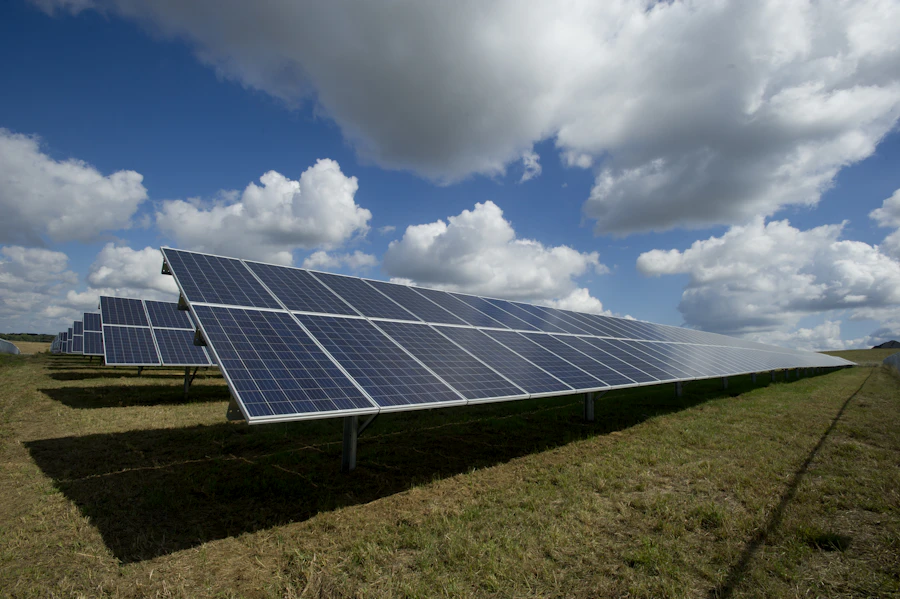
Site equipment, energy assets, construction equipment and remote project-related assets.
Verification logic
Asset verification is built around decision risk, not just photos
A photo alone may not answer the real business question. Your team needs to know what was visible, where the asset was located, how it appeared, what matched the supplied information and what could not be confirmed.
Confirm visible existence
Document whether the asset appears physically present at the stated location or accessible site.
Compare supplied details
Check visible consistency with provided photos, descriptions, location details, labels, markings or asset information.
Capture storage and use context
Document whether the asset appears stored, active, idle, accessible, protected, exposed or located in a relevant business environment.
Clarify uncertainty
Report access limits, missing identifiers, unclear ownership context, inaccessible areas or open questions before the decision.

What we document
From asset claim to field evidence
The scope is adapted to the asset type and site conditions. The goal is to collect practical evidence that can be reviewed by finance, leasing, insurance, procurement or management teams.
- Location confirmation: whether the stated location, site, yard, warehouse or facility can be found.
- Asset visibility: whether the asset, similar asset or relevant asset group is visible and documentable.
- Photo evidence: exterior views, surroundings, identifiers, storage condition or visible context where permitted.
- Condition indicators: visible damage, storage exposure, usage signs, inactivity or maintenance context where observable.
- Information comparison: visible consistency with supplied asset details, images, address or client-provided claims.
- Limitations: access restrictions, unclear serial details, ownership uncertainty or areas that could not be checked.
Geographic scalability
Asset verification designed for multi-location portfolios
Asset risk often spreads across countries, marinas, warehouses, yards, branches, project sites and supplier locations. Verihaus is built to support geographically scalable asset checks with a consistent evidence structure.
Feasibility by location
We review whether the asset location can be practically checked in the target city, marina, industrial area, yard or warehouse zone.
Consistent evidence categories
Presence, location, asset context, photos, visible condition, comparison notes and limitations are documented consistently.
Local field execution
Local agents collect visible evidence where legally, safely and practically possible.
Portfolio-level comparability
Your team can compare asset evidence across borrowers, suppliers, sites, projects or countries.

Built for distributed asset checks
Asset verification output
A structured evidence report for financial and operational decisions
Asset verification reports are designed to be practical for internal review. They help teams understand what was observed, what matched supplied information, what remains uncertain and what should be clarified before proceeding.
Asset Verification Report
Example structure for visible asset presence and local field evidence.
Scope clarity
What asset verification can and cannot replace
Asset verification gives practical field evidence, not formal certification. Clear boundaries help your team use the report correctly.
Asset verification can help with
- Documenting whether an asset appears physically present
- Capturing photos of accessible asset evidence and surroundings
- Checking visible consistency with supplied information
- Reporting visible condition indicators and storage context
- Identifying access limits, missing evidence and open questions
Asset verification does not replace
- Certified valuation, appraisal or asset pricing
- Legal ownership verification or title confirmation
- Technical inspection, engineering assessment or product testing
- Insurance loss adjusting or formal claims assessment
- Guaranteed confirmation of asset condition, ownership or financial value
FAQ
Asset verification questions
These answers clarify what clients can expect before requesting a local asset check.
Is asset verification the same as asset valuation?
No. Asset verification documents visible facts and field evidence. It does not provide a certified valuation, appraisal, price assessment or financial value conclusion.
Can Verihaus confirm asset ownership?
Verihaus can document visible asset presence and context, but it does not provide legal ownership confirmation or title verification. Ownership should be checked through appropriate legal and documentation channels.
Can the verifier inspect the technical condition of the asset?
Verihaus can document visible condition indicators such as damage, storage, exposure or obvious inconsistencies. It does not replace a technical inspection, engineering assessment or product testing.
Can asset verification be scaled across multiple locations?
Yes. The service is designed for geographic scalability. Verihaus can review feasibility by location and apply a consistent evidence structure across marinas, warehouses, yards, depots, project sites and countries.
When is the final price confirmed?
The final price is confirmed after scope review and before any field assignment starts. No local verification begins until the client approves the scope, timing and quote.
Request asset verification
Need to verify a high-value asset before you proceed?
Send us the asset type, location, available details, decision context and what needs to be verified. We will review feasibility, define the field scope and confirm the final price before assigning a local field agent.