
Damage Documentation
Document Damage to Premium Assets Before
Claims, Repairs or
Costly Disputes
Verihaus damage documentation helps insurers, leasing companies, logistics teams, asset owners and business partners collect structured field evidence when high-value assets, vehicles, yachts, equipment or cargo need visible damage recorded clearly and independently.
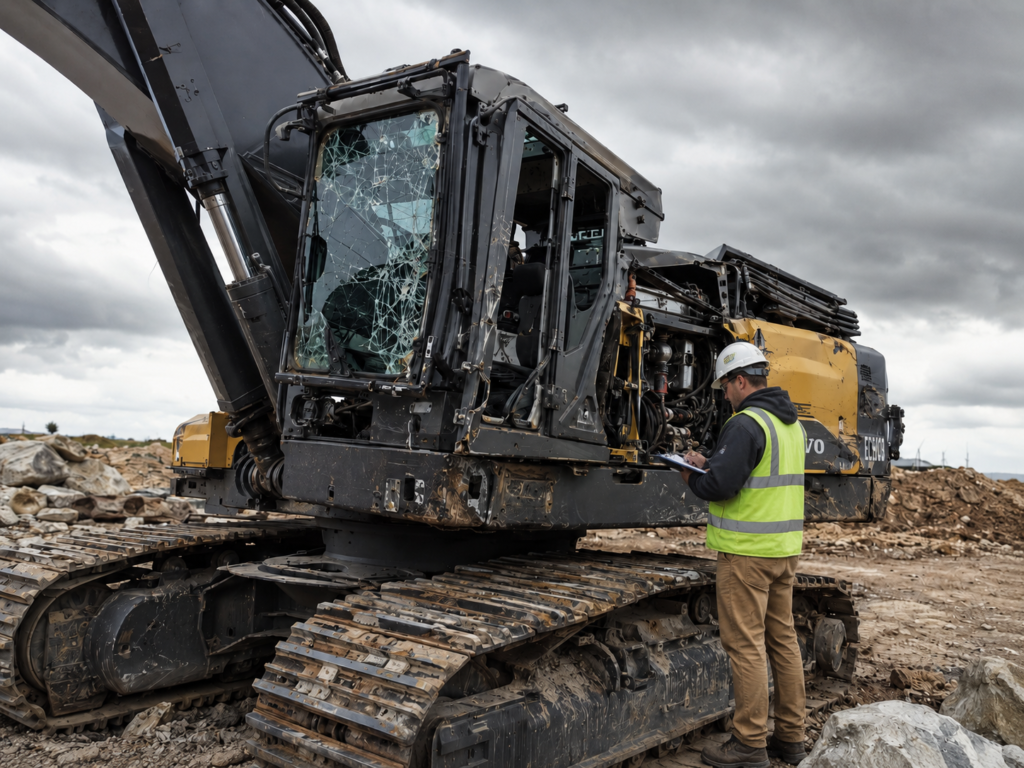
Overview · close-ups · context · limitations
Damage becomes harder to prove when the scene changes.
Repairs start, assets are moved, vehicles leave the yard, yachts are returned to service, goods are repacked, and parties remember events differently. Timely documentation creates a practical evidence record before the situation becomes unclear.
Reduce evidence gaps
Capture visible damage, surroundings and condition before the asset, goods or site changes.
Support internal review
Give claims, finance, operations or legal teams structured visual notes instead of scattered messages.
Clarify what can be concluded
Separate visible facts from assumptions, inaccessible areas and conclusions requiring qualified experts.
Documentation Scope
What Verihaus documents during a damage assignment
Damage documentation is not a repair estimate and not a technical expert opinion. It is a structured field record of visible facts that can support claims handling, business decisions, dispute prevention or next-step escalation.
Visible damage record
Photos and notes of visible dents, cracks, broken parts, scratches, deformation, water marks, missing elements or other observable damage.
Location and surroundings
Context around where the damaged asset, goods or property is located, including storage, access and surrounding conditions.
Reference comparison
Visible comparison with supplied photos, handover records, shipment details, asset descriptions or client-provided documentation.
Limitations and open questions
Clear documentation of what could not be accessed, inspected, photographed or concluded from visual field evidence alone.
Premium Asset Use Cases
Damage documentation for high-value assets and business-critical exposure
Verihaus is useful when the financial risk is high, the asset is remote, the parties may dispute the condition, or decisions must be made before the situation changes.

Yacht and vessel damage
Visible hull concerns, marina condition, docking impact, storage context or handover-related issues.

Luxury vehicle damage
Body damage, return condition, transport impact, fleet handover issues or visible repair concerns.

Aircraft and aviation assets
Visible condition of aircraft surfaces, ground equipment, hangar assets or aviation-related components.
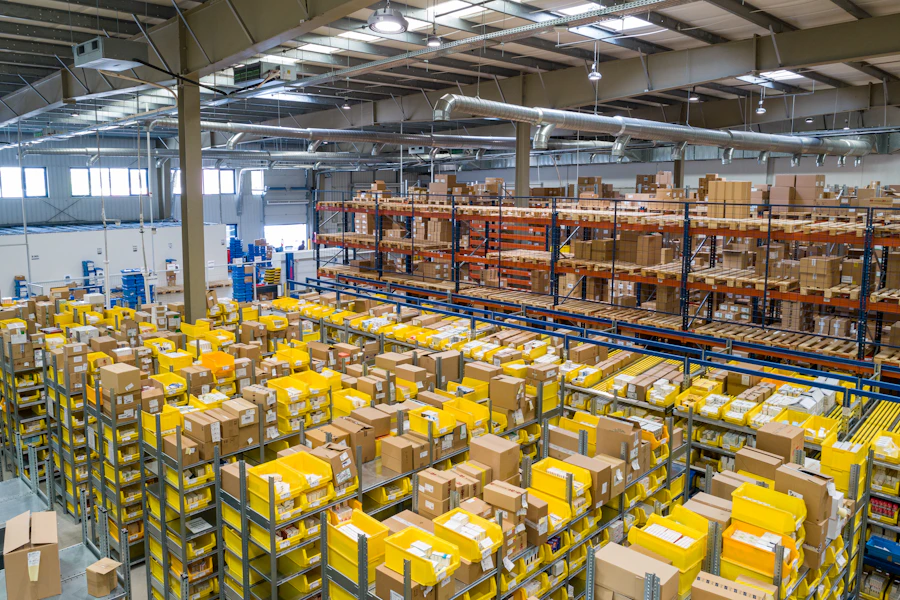
High-value cargo damage
Damaged crates, pallets, containers, warehouse stock, handling impact or shipment-condition disputes.
Evidence Method
How the field record is made useful
Damage documentation becomes valuable when it can be reviewed by someone who was not present. The assignment is structured so decision-makers understand what they are looking at and what remains uncertain.
- Overview first: wider photos show the asset, goods or site in context.
- Damage close-ups: detailed images capture visible damage areas where safe and accessible.
- Reference points: visible labels, surroundings, identifiers or object context are included where possible.
- Condition notes: observations are separated from assumptions about cause, value or liability.
- Access limitations: inaccessible areas, restricted views or missing information are clearly stated.
- Report structure: findings are organized for claims, operations, finance or legal review.
Geographic Scalability
Damage documentation where your team cannot be on site
Damage events can happen in marinas, warehouses, ports, depots, customer sites, rental locations, industrial areas and remote facilities. Verihaus is designed to scale local damage documentation across cities and countries with a consistent evidence structure.
Feasibility by location
We review whether documentation is practical at the target address, yard, warehouse, depot, marina or site.
Consistent evidence logic
Overview, close-ups, context, visible condition, reference points and limitations are documented consistently.
Local field execution
Local agents document visible facts where legally, safely and practically possible.
Comparable review
Your team can compare damage records across sites, partners, claims, suppliers or countries.

Built for distributed damage records
Damage Documentation Output
A clear evidence record for claims and business decisions
The report is designed to help teams understand what was visible, what was documented, what was inaccessible and what requires further technical, legal or insurance assessment.
Damage Documentation Report
Example structure for visible damage and field evidence.
Scope Clarity
What damage documentation can and cannot replace
Clear boundaries protect the value of the report. Verihaus documents visible facts and limitations; specialist conclusions remain with qualified experts.
Damage documentation can help with
- Documenting visible damage before repairs, movement or handover
- Capturing overview photos, close-ups and location context
- Supporting claims, disputes, asset return or internal review
- Comparing visible evidence with supplied photos or records
- Recording access limits, missing evidence and open questions
Damage documentation does not replace
- Certified loss adjusting or insurance coverage decisions
- Repair estimates, valuation or cost assessment
- Technical diagnosis, engineering inspection or forensic analysis
- Legal liability assessment or dispute resolution
- Guaranteed conclusion about cause, responsibility or financial loss
FAQ
Damage documentation questions
These answers clarify how the service should be used and where specialist assessment may still be required.
Is damage documentation the same as an insurance inspection?
No. Verihaus documents visible field evidence. It does not make coverage decisions, determine liability or replace a certified loss adjuster.
Can Verihaus estimate repair cost?
No. The service does not provide repair estimates or valuations. It documents visible damage and context so qualified parties can review the situation.
Can the report determine who caused the damage?
No. Verihaus can document visible condition and available context, but cause and responsibility usually require technical, legal or insurance assessment.
Can damage documentation be done across countries?
Yes. The service is designed for geographic scalability. Verihaus can review feasibility by location and apply a consistent evidence structure across sites, depots, warehouses, ports, marinas and countries.
When is the final price confirmed?
The final price is confirmed after scope review and before any field assignment starts. No local documentation begins until the client approves the scope, timing and quote.
Request Damage Documentation
Need premium asset damage documented before the situation changes?
Send us the location, asset type, available reference photos, decision context and what needs to be documented. We will review feasibility, define the field scope and confirm the final price before assigning a local field agent.